
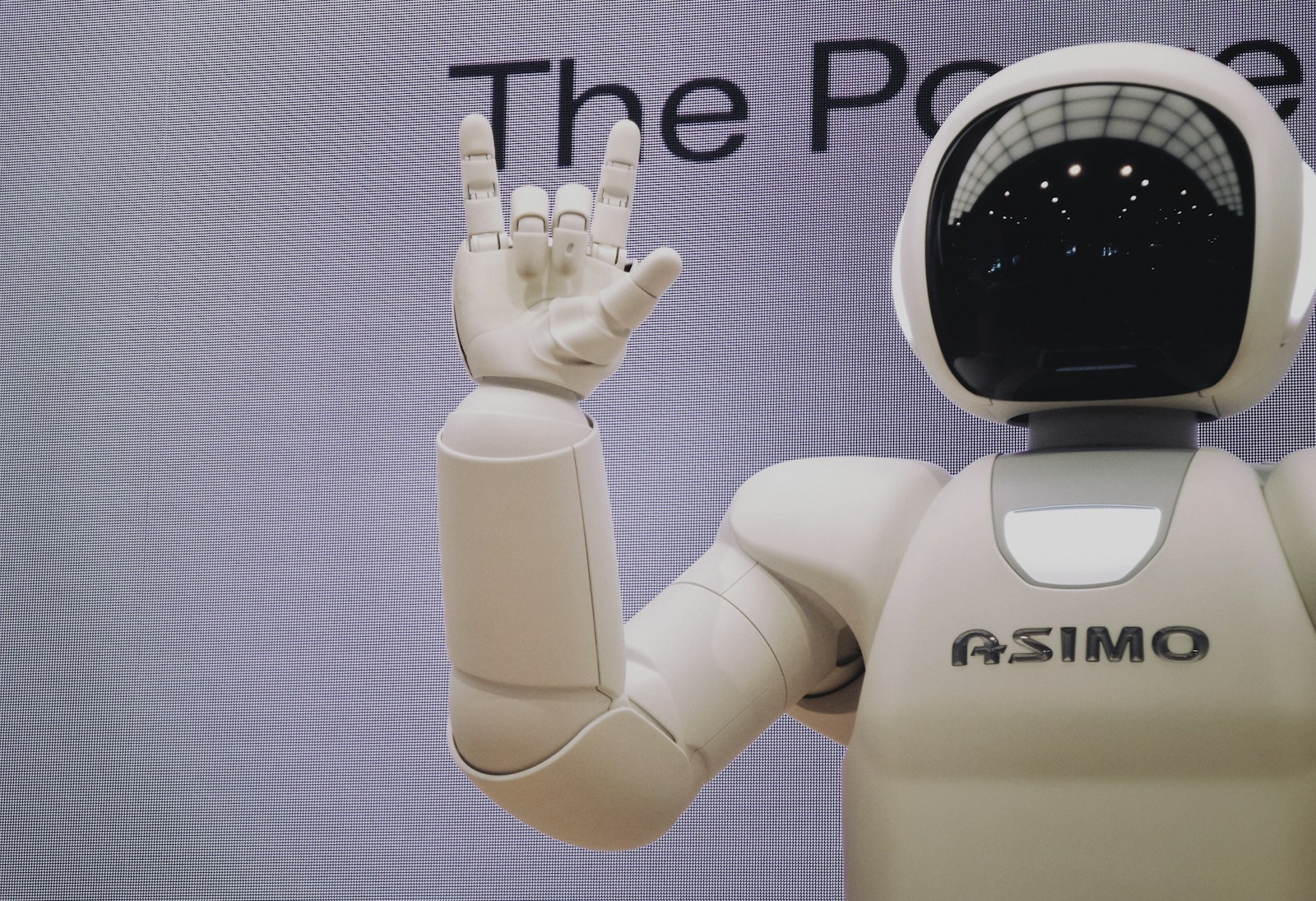
Introduction to AI and Robotics
Artificial intelligence (AI) and robotics are two interrelated fields that are dramatically reshaping various aspects of our contemporary society. AI refers to the simulation of human intelligence processes by machines, particularly computer systems. These processes encompass learning (the acquisition of information and rules for using it), reasoning (the use of rules to reach approximate or definite conclusions), and self-correction. Robotics, on the other hand, deals with the design, construction, operation, and use of robots. Robots are programmable machines that can carry out tasks autonomously or semi-autonomously, often in an environment that is either too hazardous or too repetitive for humans.
The significance of AI lies in its ability to analyze vast amounts of data quickly and efficiently, leading to more informed decision-making. Algorithms powered by AI can enhance systems in various domains, from healthcare diagnostics to financial analysis. Conversely, robotics plays a crucial role in automating processes that require precision and consistency, such as manufacturing and assembly. The integration of these two technologies has resulted in the emergence of intelligent robotic systems capable of adapting to their surroundings, learning from experiences, and even collaborating with humans in tasks that require a blend of cognitive and physical capabilities.
As the landscape of both AI and robotics continues to evolve, new applications are constantly emerging, affecting sectors such as agriculture, transportation, logistics, and even healthcare. Innovations like autonomous vehicles, predictive maintenance in manufacturing, and smart surgical robots are just a few examples of how these technologies are converging. The synergy between AI and robotics is paving the way for transformative solutions that are set to redefine efficiency and efficacy across various industries, presenting both opportunities and challenges that society must navigate as these technologies become increasingly integrated into everyday life.
Historical Context: The Development of AI and Robotics
The journey of artificial intelligence (AI) and robotics began in the early 20th century, rooted in the ambition to create machines capable of mimicking human intelligence and physical abilities. The conceptual foundations were laid by pioneering figures such as Alan Turing and Norbert Wiener, who each contributed to theoretical frameworks for computing and cybernetics, respectively. Turing’s work, particularly his development of the Turing Test in 1950, set the stage for evaluating machine intelligence, while Wiener’s cybernetic principles provided insights into feedback systems crucial for controlling robotic movements.
The 1956 Dartmouth Conference marked a turning point in AI research, bringing together many of the era’s leading thinkers who collectively fostered early explorations into how machines could be made to “think.” This event is often credited as the birth of AI as a distinct field. During the 1960s and 1970s, researchers made significant strides, leading to the development of symbolic AI techniques, which allowed machines to process information using symbols and rules. Among the notable milestones during this period was the invention of the first chatbot, ELIZA, by Joseph Weizenbaum in 1966.
Simultaneously, the field of robotics began to gain traction, particularly with the emergence of industrial robots like the Unimate in the 1960s, which was employed for tasks in manufacturing environments, showcasing the practical applications of robotics. The evolution of AI-driven robotics accelerated in the 1980s and 1990s with a surge in computational power and advances in machine learning algorithms. Robots began to incorporate AI, facilitating new capabilities such as autonomous navigation and complex problem-solving.
As we moved into the 21st century, the integration of AI and robotics became increasingly sophisticated, illustrated by advancements in machine learning, natural language processing, and computer vision. Prominent figures such as Marc Raibert in robotics and Geoffrey Hinton in AI have significantly shaped these domains, propelling the capabilities of AI-powered robots. The continued merging of these technologies is reshaping myriad sectors, from healthcare to manufacturing, highlighting the remarkable development that has occurred over the decades.
The Synergy of AI and Robotics
The integration of artificial intelligence (AI) with robotics is pioneering a new era of technological advancement, fundamentally changing the way machines interact with the world around them. By embedding AI into robotic systems, we are enhancing their capabilities beyond simple pre-programmed tasks, enabling them to learn from data, make reasoned decisions, and adapt to dynamic environments. This synergy allows for a level of intelligence and functionality that was previously unattainable in standalone robotic systems.
One of the significant benefits of combining AI and robotics is the ability for robots to process and analyze vast amounts of data in real-time. This allows intelligent robots to identify patterns, recognize objects, and even comprehend human emotions. As a result, robots are becoming more proficient in complex environments. For instance, in industrial settings, AI-powered robots can optimize production processes by adjusting their actions based on feedback, significantly improving efficiency and reducing downtime.
The adaptability of AI-enhanced robots is another transformative feature of this synergy. Traditional robots often struggle with unforeseen variables; however, with AI, robots can be designed to operate effectively in unpredictable situations. For example, in healthcare, robotic systems equipped with AI can assist in surgeries by applying machine learning techniques that analyze patient data, thereby improving surgical precision and outcomes.
Furthermore, the integration of AI within robotics allows for enhanced human-robot collaboration. Not only can robots understand and execute intricate tasks, but they can also work alongside human operators more intuitively. This relationship is crucial in environments such as logistics and warehousing, where the need for seamless cooperation between humans and robots is vital for operational success.
In conclusion, the synergistic relationship between AI and robotics presents a transformative potential that is reshaping various industries. With their combined strengths, smart robots are set to tackle complex tasks, adapt to changing scenarios, and contribute significantly to advancements across sectors.
Industry Applications of AI and Robotics
The integration of artificial intelligence (AI) and robotics is revolutionizing numerous industries, transforming traditional practices into more efficient and innovative solutions. In manufacturing, the adoption of AI-driven robots enables enhanced precision and productivity. For instance, automated assembly lines equipped with AI algorithms can adapt to varying production demands, ensuring optimal resource utilization while minimizing waste. This adaptability allows manufacturers to remain competitive in fast-paced markets.
In the healthcare sector, the combination of AI and robotics is redefining patient care and surgical procedures. Robotic surgery systems, enhanced by AI capabilities, provide surgeons with greater accuracy and control during complex operations. These advanced systems can analyze real-time data from imaging technologies, allowing for minimally invasive procedures that reduce recovery times and improve patient outcomes. Furthermore, AI-powered diagnostic tools assist healthcare professionals in identifying diseases faster and more accurately, ultimately leading to better treatment plans.
Agriculture is also experiencing a significant transformation due to the synergy between AI and robotics. Smart farming solutions utilize autonomous drones and robot-assisted equipment to monitor crop health, optimize irrigation, and manage pest control effectively. Drones equipped with AI can survey vast agricultural lands, providing farmers with valuable data that informs their decision-making processes. This technology not only enhances crop yield but also promotes sustainable farming practices by minimizing resource use.
Additionally, the logistics industry is witnessing profound changes through automation and AI integration. Automated warehouses deploy robotic systems to streamline inventory management, picking, and packing processes, ultimately increasing efficiency and reducing operational costs. AI algorithms optimize supply chain routes, ensuring timely deliveries and reducing congestion. As these applications demonstrate, the combination of AI and robotics is having a far-reaching impact across various sectors, fostering innovation and progress.
Challenges and Ethical Considerations
The integration of artificial intelligence (AI) and robotics has ushered in significant advancements across various sectors. However, this transformation is accompanied by numerous challenges and ethical considerations that warrant careful examination. One of the most pressing issues is job displacement. As machines become increasingly capable of performing tasks traditionally carried out by humans, there are growing concerns about the potential loss of employment opportunities. Industries that rely heavily on manual labor may face significant upheaval, necessitating reskilling and workforce adaptation strategies to mitigate the impact on workers.
Additionally, the proliferation of AI-driven technologies raises important privacy concerns. With robots equipped with sensors and data-gathering capabilities, there is a risk of personal information being collected and utilized without consent. This situation emphasizes the need for robust privacy protection measures to safeguard individuals’ rights in an increasingly automated environment. As organizations employ AI for data analysis, they must prioritize ethical practices that respect user privacy and promote transparency.
Accountability in decision-making processes also emerges as a critical ethical consideration. As machines take on more autonomous roles, determining who holds responsibility for their actions becomes complex. For instance, if an AI-driven robot were to make a harmful decision, the question arises: Is it the developer, the organization deploying the technology, or the AI itself that should be held accountable? Establishing clear frameworks for accountability is essential to prevent potential abuses and ensure that ethical standards are upheld.
To navigate these challenges effectively, there is a pressing need for comprehensive ethical guidelines governing the development and implementation of AI and robotics. Stakeholders must collaborate to establish frameworks that prioritize fairness, accountability, and transparency while addressing potential risks. By doing so, we can harness the benefits of AI and robotics while minimizing their associated ethical dilemmas.
Future Trends and Innovations
The field of artificial intelligence (AI) and robotics stands on the cusp of remarkable advancements, with several trends anticipated to emerge in the coming years. One of the most significant developments is the rise of collaborative robots, often referred to as cobots. Unlike traditional robots that operate independently, cobots are designed to work alongside humans, augmenting capabilities in various sectors such as manufacturing, healthcare, and logistics. This synergy between humans and machines fosters a safer work environment and increases productivity by allowing for seamless interaction and shared tasks.
Another critical area of focus is the advancement of machine learning algorithms. With the increasing ability of machines to learn from vast datasets, the potential for more sophisticated and autonomous decision-making processes is becoming evident. Innovations in deep learning and reinforcement learning are paving the way for AI systems that can better understand and predict human behavior. These systems will not only improve efficiency in existing applications but also pave the way for entirely new solutions across industries, from smart cities to autonomous vehicles.
Moreover, the evolution of human-robot interaction is set to redefine how we perceive and integrate robotic systems into our daily lives. Advances in natural language processing and emotional AI aim to create machines that can understand and respond to human emotions, making them more relatable and easier to work with. This could significantly enhance user experience and acceptance of robots in roles traditionally held by humans, such as caregiving and customer service.
As we look toward the future, it becomes increasingly clear that the convergence of AI and robotics will revolutionize multiple sectors. By harnessing the capabilities of cobots, leveraging sophisticated machine learning, and improving how we interact with robots, organizations can expect substantial improvements in productivity, safety, and overall efficiency in their operations.
Case Studies: Successful Implementations of AI and Robotics
Over the past decade, numerous organizations have effectively integrated artificial intelligence (AI) and robotics to enhance productivity and streamline operations. One notable example is in manufacturing, where companies like Siemens have deployed AI-driven robots on their assembly lines. These robots use machine learning algorithms to adjust their actions in real-time based on production demands. This implementation has allowed Siemens to optimize its supply chain, reduce downtime, and improve overall efficiency in manufacturing processes.
In the healthcare sector, Da Vinci Surgical Systems showcases a successful union of AI and robotics. This system employs robotic arms guided by AI algorithms to assist surgeons in performing complex procedures. The system not only improves precision but also enhances patient outcomes, as it enables less invasive surgeries. Hospitals utilizing this technology have reported shorter recovery times and decreased postoperative complications, evidencing the significant advancements achieved through the fusion of AI and robotics in medical applications.
Furthermore, the logistics industry has embraced this combination with companies like Amazon. The online retail giant has successfully integrated AI-driven robots in its warehouses. These robots efficiently navigate through large storage spaces, fetching items for processing and shipping. The increased automation has allowed Amazon to handle a higher volume of orders while decreasing processing times. However, challenges such as workforce displacement and the need for ongoing training for employees have accompanied this shift toward automation.
These examples illustrate the transformative effects of combining AI and robotics across various sectors. From manufacturing to healthcare and logistics, organizations are witnessing tangible benefits, such as improved efficiency, enhanced accuracy, and better overall performance. As industries continue to adopt this technological fusion, the challenges faced provide valuable lessons that can guide future implementations.
The Role of Government and Policy in AI and Robotics
The rapid evolution of artificial intelligence (AI) and robotics presents both significant opportunities and challenges. Governments play a crucial role in shaping the landscape in which these technologies develop and proliferate. Effective governmental policies and regulations are essential to ensure that the integration of AI and robotics into society is carried out in a manner that promotes safety, efficacy, and public trust.
Currently, many governments are working to establish frameworks that govern the deployment of AI technologies. These frameworks often focus on ethical considerations, privacy protections, and accountability measures. For instance, several countries have adopted guidelines that emphasize transparency in AI algorithms and decision-making processes. By doing so, these policies aim to alleviate public concerns regarding bias and discrimination that may arise from AI applications.
Moreover, as robotics technology becomes more prevalent in various sectors, from manufacturing to healthcare, the need for appropriate regulations becomes increasingly apparent. Policymaking must address not only the deployment of robots but also their interaction with human workers. Labor displacement concerns are central to discussions around robotic automation, driving policymakers to consider transitional support for affected workers, education, and training programs that can facilitate the transition to new job opportunities.
Collaboration between various stakeholders, including government entities, private sector leaders, and academic institutions, is vital in driving forward-thinking policies. This approach can support innovation while balancing the risks associated with rapid technological advancements. The collaboration can also foster an environment conducive to research and development, ensuring that local and global advancements in AI and robotics are aligned with societal needs and values.
In conclusion, proactive governmental policies, sensitive to the implications of AI and robotics, are essential to guide their development. By fostering cooperative efforts among stakeholders, governments can ensure that advancements in these fields are beneficial for society as a whole, promoting harmony and equity in the technological landscape.
Conclusion
The rapid advancement of artificial intelligence and robotics is undeniably reshaping our world, presenting both remarkable opportunities and significant challenges. Throughout this blog post, we have explored the transformative potential of these technologies across various sectors, including healthcare, manufacturing, and transportation. The integration of AI into robotic systems enhances efficiency and accuracy, paving the way for innovations that can positively impact our daily lives and the global economy.
As industries adopt AI-driven robotics, the importance of collaboration among stakeholders becomes increasingly evident. Policymakers, businesses, and educational institutions must work together to ensure that the workforce is equipped with the necessary skills to thrive in this evolving landscape. It is crucial for education and training programs to adapt, providing individuals with opportunities to gain expertise in these technologies. Furthermore, there is a pressing need for the development of ethical guidelines to address potential concerns associated with AI and robotics, including data privacy, security, and job displacement.
Moreover, as we navigate the complexities of integrating AI and robotics, it is essential to foster an inclusive environment that promotes innovation while safeguarding public interests. By embracing this technological revolution, we can harness its full potential and create a sustainable future where artificial intelligence and robotics serve as beneficial partners. Individuals, industries, and governments alike must take proactive steps to engage in this transformation, ensuring that we maximize the benefits while addressing any potential drawbacks.
In conclusion, the AI and robotics revolution is upon us, and it is our collective responsibility to guide its development in a direction that serves humanity as a whole. By embracing this change, we have the opportunity to unlock unprecedented advancements that can redefine our existence and enhance the quality of life for countless individuals around the globe.